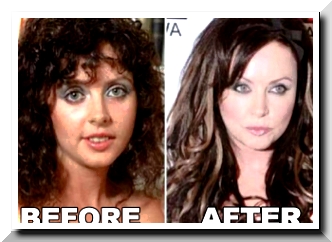
Did Richie Sambora Really Have the Plastic Surgery?

Richie Sambora has been known very well as the guitarist of massive group band Bon Jovi. With the band, he has earned lots of fame and success in his music career. In addition, he also has gained lots of wealth from his musical trajectory. Richie Sambora was the also once the guitarist of the band Message. He was a part owner of a club in New Jersey. Even at the age of nineteen, he already gained the independent label Dream Disc Records. Richie Sambora’s professional tour was the spearhead act for Joe Cocker in the early 1980s. Before joining Bon Jovi in 1983, Richie had taken part in an audition for KISS. The massive group band, Bon Jovi added Richie Sambora to replace the previous guitarist, Dave Sabo. As Sambora indeed attracted the band, Richie Sambora was finally got hired on the spot. The band did sound much better than before. Sambora really made a huge difference in the band. Not only did he act as a guitarist, but he also took part as lead vocalist sometimes. Richie Sambora truly gained lots of success with Bon Jovi. As what happened to any other artist, some scandals may have tainted their life and career. It was rumored that once Richie Sambora had some plastic surgeries. The rumors about Richie Sambora plastic surgery indeed shocked his fans for some time. However, no matter how much had been said about the very issues, rumors stayed as rumors.
Was there any evidence at all of the knife work?
Soon after the issue got spread, lots of people, including his fans foraged for the evidence showing that he indeed had the rumored plastic surgery. As commonly happened, there were lots of searchings on the internet for the photos of Richie Sambora before and after the plastic surgery. Presumably, this has been greatly known as the most convincing evidence if one had done some plastic surgeries. Even though there was in fact photo showing the difference before and after Richie Sambora plastic surgery, none had been said by the musician about the issue. If you have found the picture showing the difference that Richie had before and after the plastic surgery, you will notice that there are some minor changes in his look. None of the changes spotted shows massive changes. There have been lots of people who think that the rumors about Richie Sambora plastic surgery were true. Looking at the before and after photo, Richies looked very nice in that rather long face. His skin still looks tight and young. You can also see that his neck appear so tight without any visible wrinkles, just like as those on aged men. This fact somehow leads to the emergence of Richie Sambora taking botox injections. Presumably, neck lift surgery was once done in this area.

The case of botox injections
If you really pay attention to his lips and eyes, Richie does not show any sign of aging as such is usually attributed to the use of filler injection like Botox injections or any other filler injections. This injection has been well known as the most instant way to exert massively youthful look no matter how old a person is. It is then impossible for someone at the age of fifty to have such a youthful look without any cosmetic surgery. Public then were quite convinced that Richie Sambora had the plastic surgery. The fact that his neck still look s flawless caused lots of speculations that Richie Sambora had neck Platymaplasty to preserve the tight skin on his neck.